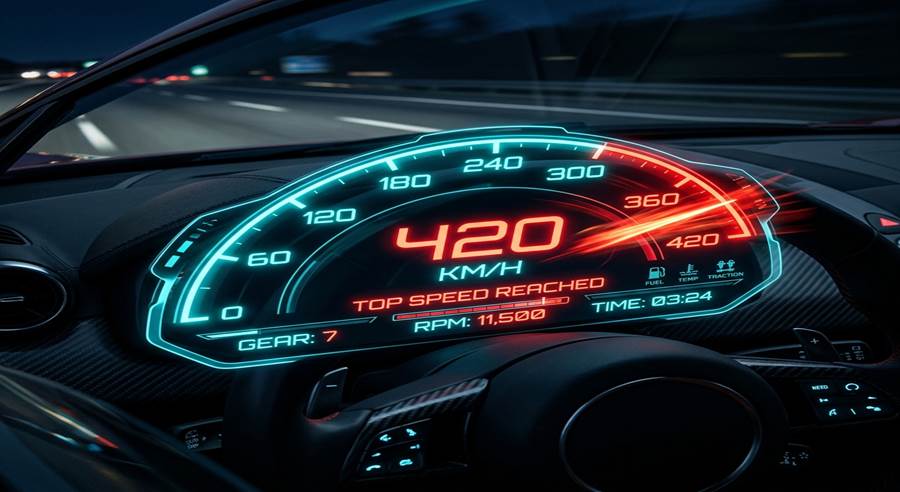
When you’re sitting in the passenger seat of a car speeding down the highway, and you look over at the speedometer reading 70 miles per hour, you’re looking at physics in action. We use words like “speed,” “velocity,” and “acceleration” all the time in our normal, everyday conversations.
But did you know that in the scientific community, those three words mean entirely different things?
Speed: How Fast Are You Going?
Speed is the simplest concept to grasp because it’s the one we deal with the most. Speed is nothing more than a measurement of how much ground you can cover in a specific amount of time.
Velocity: Speed With a Sense of Direction
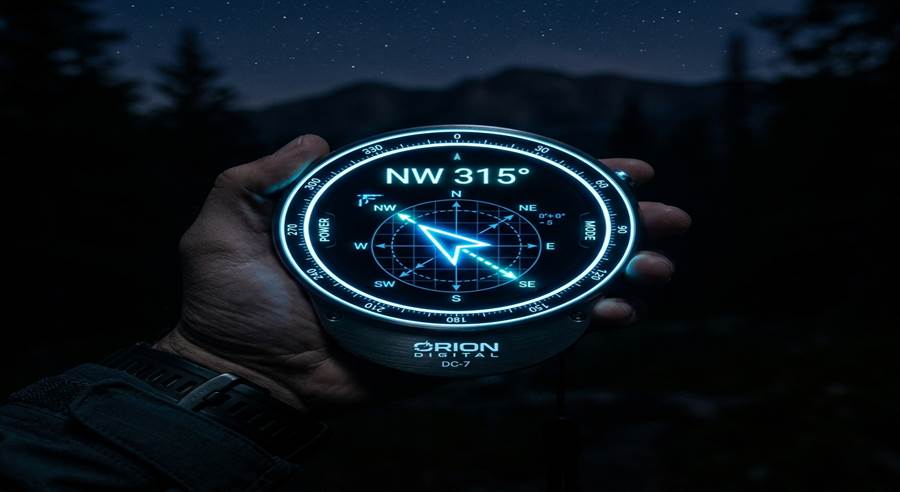
This is where people get tripped up. Velocity is not just a fancy, smarter-sounding word for speed. Velocity is speed, plus a specific direction.
Let’s say you tell me a storm is moving at 20 miles per hour. That’s its speed. Should I be worried? I have no idea, because I don’t know where it’s going. But if you tell me a storm is moving 20 miles per hour heading directly East toward my house—now I have a problem.
Acceleration: The Thrill of the Ride
If speed is how fast you’re going, and velocity is where you’re headed, what is acceleration?
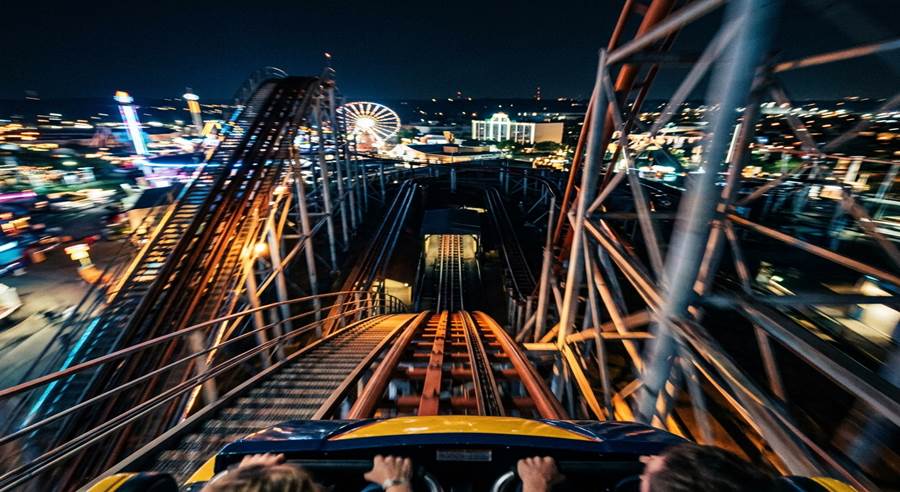
Acceleration is the change in your velocity over time. It’s the feeling you get when an airplane takes off and you get pushed back into your seat. It’s the stomach-dropping sensation when a rollercoaster suddenly drops.
Why Does This Matter?
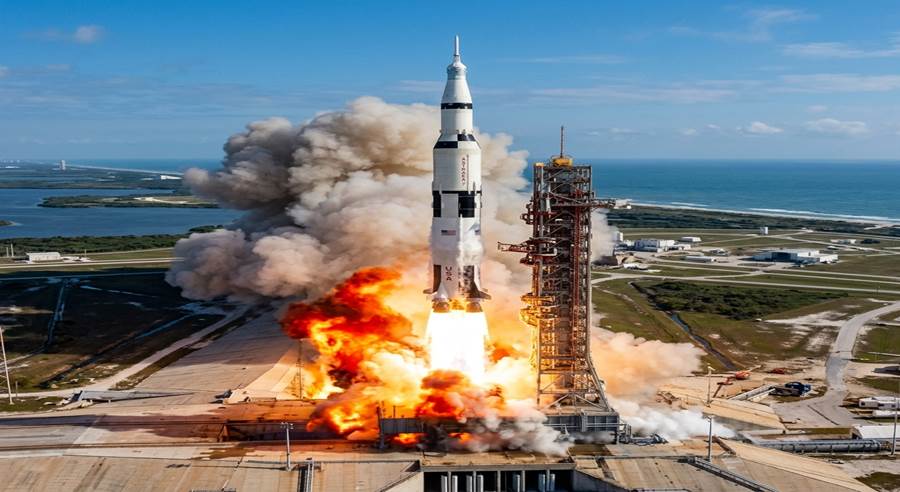
Understanding the difference between these three concepts is the foundation for almost all mechanical engineering. When designers build rollercoasters, they don’t care as much about the top speed; they care about the acceleration (the G-forces).